Representasi yang Auratik
Curator: Ananta Wijayarana
Walter Benjamin pernah menyatakan bahwa sebuah karya yang direproduksi, dicetak secara massal, dan disebarkan secara luas berpotensi melunturkan auranya. Akses terhadap karya tidak lagi sulit; orang tidak perlu lagi mendatanginya secara langsung. Melalui penemuan mesin cetak, materi karya justru mendatangi khalayak. Medium seni pun bergeser, sehingga pertanyaan penting yang perlu diajukan ialah: bagaimana aura itu dikonstruksi?
Di tengah derasnya arus representasi, para pembuat film memanfaatkan citra yang sudah ada untuk diinterpretasi ulang. Mereka mereproduksi representasi yang telah beredar, bermain dengan bentuk, dan menjadikannya medium refleksi atas peristiwa lampau.
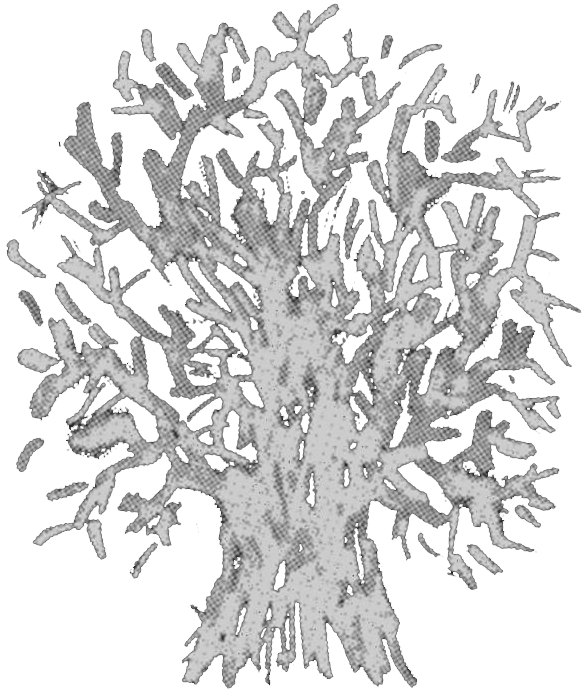
Night Walk With a Blue Scarf (2025, Kanada), karya Felix Kalmenson merupakan interpretasi visual atas cerita pendek The Blue Notebook No. 2 karya Daniil Kharms dan lagu The Blue Scarf yang dilantunkan Klavdiya Shulzhenko. Secara kasat mata, film ini tidak menghadirkan makna langsung. Namun, subteks muncul melalui pembacaan voice-over The Blue Notebook No. 2 serta lagu The Blue Scarf di akhir film. Teks Kharms bercerita tentang sosok yang absen, sedangkan lagu Shulzhenko yang liriknya dimodifikasi setelah perang meletus memuat pesan patriotisme Soviet. Dari sinilah terbentuk reproduksi citra baru. Eksperimen audiovisual sang pembuat film mencoba menerjemahkan memori perang yang tak terjangkau bahasa keseharian, membuka ruang bagi relasi bebas dengan memori pejuang Soviet pada Perang Dunia II maupun dengan situasi kontemporer—seperti dampak perang Rusia atas Ukraina.
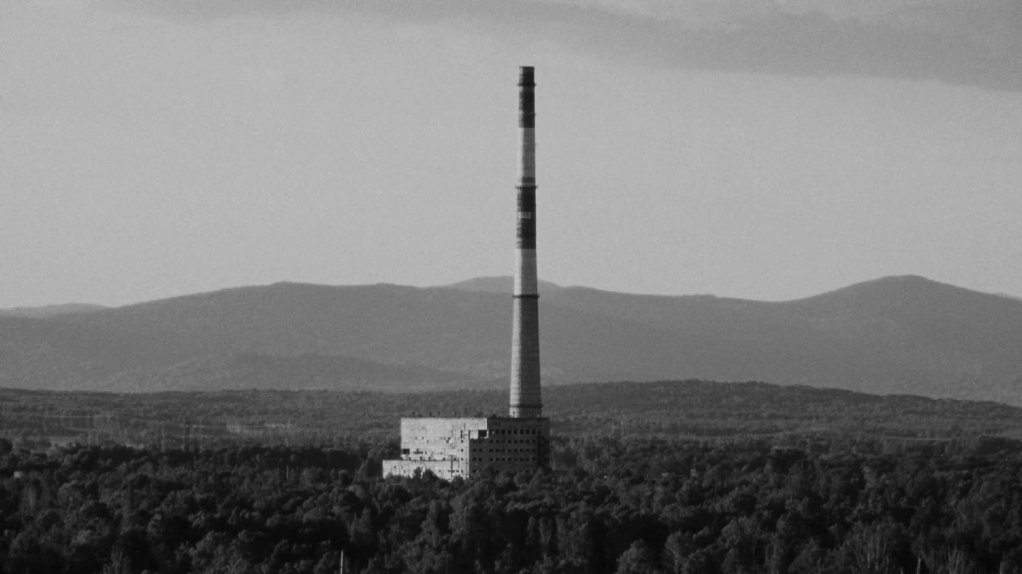
Dalam film Chang Gyeong (2024, korea Selatan) karya Lee Jangwook, fokus bergeser dari manusia kepada lanskap alam dan makhluk non-manusia. Dengan perspektif seolah-olah dari mata hewan di kebun binatang Korea, film ini menyoroti penderitaan fauna selama perang Pasifik. Teks naratif yang menyertai visual menjadi kunci representasi sejarah. Melalui eksperimen seluloid, representasi baru pun lahir, memungkinkan penonton merasakan perang secara sensori. Berpedoman pada buku 80 Tahun Sejarah Flora dan Fauna Korea, film ini menghadirkan pengalaman hewan secara spekulatif, melampaui bahasa sehari-hari, sekaligus menawarkan narasi alternatif yang menyeimbangkan dominasi kisah manusia.
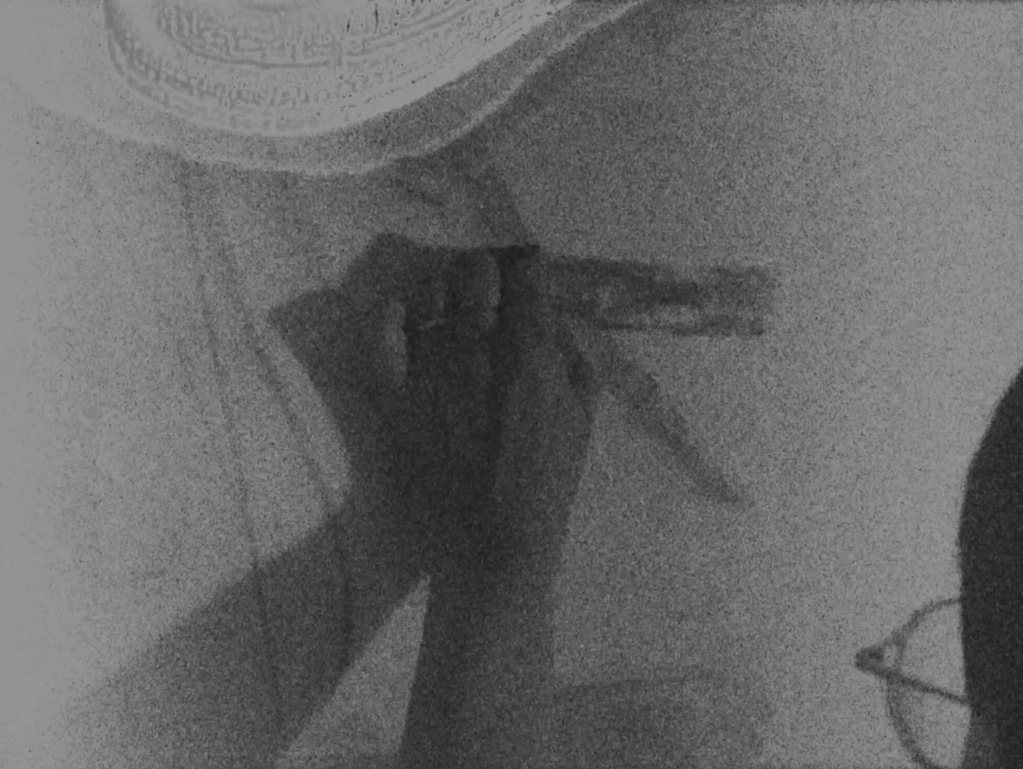
The Othered Scene (2025, Belanda), karya Yen Wang-Yun menggambarkan wabah melalui permainan bahasa. Di awal, seorang pria bersuara tentang penyebaran wabah di Pulau Quemoy. Kesaksiannya lalu diulang kata demi kata oleh suara perempuan tua. Repetisi ini menimbulkan perbedaan makna dan emosi. Yang menarik, aspek nonverbal justru hadir melalui bahasa verbal. Penonton merasakan pengalaman wabah hanya lewat suara. Repetisi kalimat menekankan bahwa makna bukan hanya terletak pada isi pesan, melainkan juga pada struktur bahasa yang menyertainya. Dengan mempertahankan citra representasi terdahulu (suara perempuan tua) di akhir, sang pembuat film mengembalikan posisi “aku” sebagai pencerita personal atas memori wabah Quemoy.
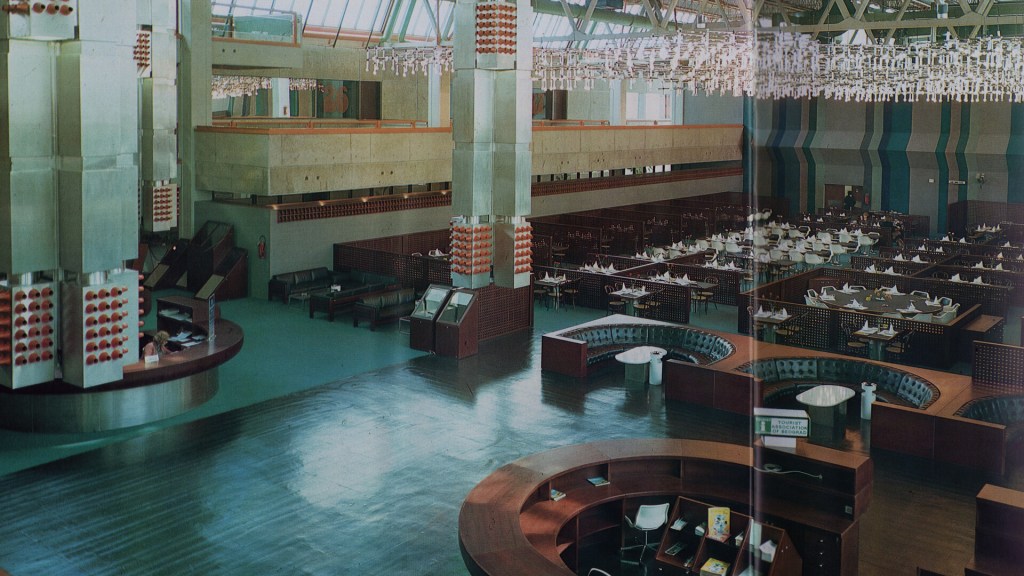
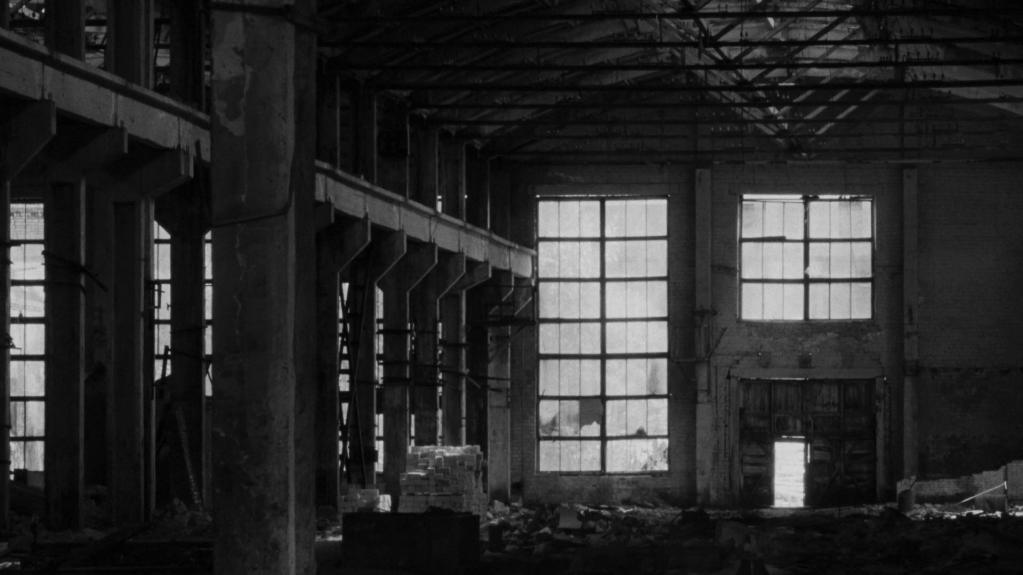
Film terakhir, Inventory (2024, Serbia), karya Ivan Marković menyoroti Sava Centar—gedung peninggalan kejayaan Yugoslavia—sebagai metafora sejarah dan ideologi negara. Kini gedung itu terbengkalai, menghadapi pembongkaran, dan siap dialihfungsikan. Kehancurannya merefleksikan pudarnya kejayaan Yugoslavia, sementara visual pembongkaran disandingkan dengan arsip foto masa lalu dan rancangan gedung baru. Reproduksi citra ini menandakan bahwa negara-negara bekas Yugoslavia telah meninggalkan masa kejayaan untuk melangkah menuju Barat.
Konteks sejarah selalu menjadi preseden lahirnya representasi dalam seni. Karya dibaca kembali, direproduksi, dan melahirkan representasi baru yang menyeberangi zaman. Keempat film ini menunjukkan bahwa karya seni berbasis reproduksi tetap bisa auratik jika memiliki konstruksi audiovisual yang kuat. Aura tidak semata soal orisinalitas yang berwujud, melainkan bagaimana reproduksi itu dikontekstualisasikan dengan masa kini untuk membaca zaman.
Seperti ditegaskan Benjamin, teknologi bukanlah ancaman, melainkan peluang diskursif. Reproduksi mekanik maupun digital justru memperlihatkan semangat zaman. Permainan representasi membuka ruang refleksi atas peristiwa lampau, memperkuat citra yang telah beredar, atau bahkan menawarkan representasi baru yang relevan dengan masa kini.
Walter Benjamin once observed that a work of art, when reproduced, mass-printed, and widely disseminated, risks losing its aura. Access to the work is no longer arduous; one need not encounter it directly. With the invention of the printing press, the material presence of the artwork travels to the audience. The artistic medium itself shifts, raising a crucial question: how is aura constructed?
Amid the torrent of representations, filmmakers draw on existing images for reinterpretation. They reproduce circulating representations, manipulate their forms, and turn them into mediums for reflecting on past events.
Night Walk With a Blue Scarf (2025, Canada), by Felix Kalmenson, is a visual meditation on Daniil Kharms’ short story The Blue Notebook No. 2 and the song The Blue Scarf performed by Klavdiya Shulzhenko. On its surface, the film offers no direct or explicit meaning. Yet a subtext emerges through the voice-over reading of Kharms’ text and the closing rendition of Shulzhenko’s song. Kharms writes of an absent figure, while Shulzhenko’s wartime song—its lyrics altered after the outbreak of war—conveys a message of Soviet patriotism. Out of these elements arises a newly forged image-world. Kalmenson’s audiovisual experiment seeks to translate memories of war that escape the grasp of everyday language, creating space for free associations—whether with the memories of Soviet soldiers in World War II or with contemporary realities such as Russia’s war in Ukraine.
In Chang Gyeong (2024, South Korea), Lee Jangwook shifts the focus from human subjects to natural landscapes and non-human creatures. Filmed as though seen through the eyes of zoo animals in wartime Korea, the work foregrounds the suffering of fauna during the Pacific War. Here, narrative text paired with celluloid imagery becomes the key to historical representation. Through experimental film stock, a new mode of representation is born—one that allows audiences to sense war on a visceral, sensory level. Drawing on Eighty Years of Korean Flora and Fauna History, the film offers a speculative rendering of animal experience, transcending everyday language and proposing an alternative narrative that counterbalances the dominance of human-centred storytelling.
The Othered Scene (2025, Netherlands), by Yen Wang-Yun, approaches the theme of plague through the play of language itself. A man recounts the spread of disease on Quemoy Island; his testimony is then echoed verbatim by the voice of an elderly woman. This repetition subtly alters both meaning and emotional charge. Strikingly, the nonverbal dimension of experience emerges through the very structure of speech. Audiences encounter the plague purely through sound. By repeating each phrase, the film underscores that meaning resides not solely in the content of a message, but also in its linguistic form. In preserving the earlier voice—the old woman’s testimony—at the film’s close, Wang-Yun reasserts the “I” as a personal narrator of Quemoy’s memory of contagion.
The final work, Inventory (2024, Serbia), by Ivan Marković, centres on the Sava Centar—a monument to Yugoslavia’s golden age—as a metaphor for the nation’s shifting history and ideology. Now abandoned, awaiting demolition and redevelopment, the building’s decay mirrors the waning of Yugoslavia’s former glory. Images of its dismantling are intercut with archival photographs of its past and blueprints of what will replace it. This act of visual reproduction signals how the successor states of Yugoslavia have turned away from their shared past to embrace a Western-oriented future.
Historical context invariably frames the birth of representation in art. Works are revisited, reproduced, and give rise to new representations that traverse time. These four films demonstrate that reproduction-based artworks can still possess an aura—provided their audiovisual construction is compelling. Aura is not merely a matter of tangible originality, but of how reproduction is re-contextualized in the present to illuminate an era.
As Benjamin reminds us, technology is not an adversary but a discursive opportunity. Mechanical and digital reproduction alike reveal the spirit of their time. The play of representation opens spaces for reflecting on the past, reinforcing circulating images, or even offering entirely new ones that speak directly to the present.
Films
Curator’s biography
Ananta Wijayarana (1997) adalah seorang sarjana ilmu komunikasi dari Universitas Brawijaya. Pada tahun 2024, dua tulisannya diterbitkan dalam S … Untuk Sinema, kumpulan esai yang membahas sejarah sinema dunia. Bersama Rahmania Nerva, ia merilis film kolaborasi berjudul Alur-Alir dan ditayangkan perdana di ARKIPEL: Jakarta International Documentary and Experimental Film Festival (2024). Tahun berikutnya, ia bergabung dengan SIGISORA, sebuah inisiatif yang membingkai isu-isu perkotaan dan politik melalui studi bunyi. Melalui inisiatif ini, ia membuat beberapa komposisi bunyi, merekam bunyi dalam suatu lingkungan untuk memahami dan mengidentifikasi karakteristik sosial lingkungan tersebut. Pada bulan Maret 2025, ia mengkurasi listening session karya Jean-Claude Risset. Ia juga saat ini aktif sebagai pengurus data di Forum Lenteng.
Ananta Wijayarana (1997) is a communications science graduate from Brawijaya University. In 2024, two of his writings were published in S … Untuk Sinema, a collection of essays that discuss history of world cinema. Along with Rahmania Nerva, he released a collaboration film called Alur-Alir and premiered at ARKIPEL: Jakarta International Documentary and Experimental Film Festival (2024). In the following year he joined SIGISORA, an initiative that frames urban and political issues through studying sound. Through this initiative, he created several sound journals, recording sounds in an environment to understand and identify the social characteristics of that environment. In March 2025, he curated the Jean-claude Risset listening session. He is now also active as a database administrator at Forum Lenteng.


