Motif Mata yang Tak Tertutup
Curator: Taufiqurrahman “Kifu”
“As if I had died with my eyes wide open…They forgot to close my eyes.” “…and like a fish, his eyes condemned to remain open…”
Ada satu ritual kecil yang nyaris universal ketika seseorang mati: seseorang yang masih hidup akan mengulurkan tangan, dan menutup matanya. Gestur ini begitu sederhana hingga saya sendiri jarang pertanyakan maknanya. Menutup mata jenazah ternyata ada alasan fisiologis. Otot di sekitar mata melemas setelah kematian sehingga kelopak mata cenderung terbuka sendiri, dan menutupnya adalah bagian dari merawat jenazah sebelum rigor mortis (kekakuan mayat) terjadi.
Tapi bagaimana jika kematian datang begitu tiba-tiba, begitu brutal, hingga tak ada waktu atau tak ada siapa pun untuk menunaikan gestur itu?
Dalam As I Lay Dying, film ditutup dengan gambar jenazah seorang perempuan yang terbaring menatap. Menghadap kita yang masih hidup. Sedangkan dalam film And The Fish Fly Above Our Head, Reda, salah satu subjeknya, bercerita tentang adiknya yang ditembak di kepala saat perang. Matanya tidak mau tertutup, seperti dikutuk menjadi ikan.
Dua motif ini memunculkan kematian yang tidak selesai secara ritual maupun simbolik. Dan sesuatu yang tak selesai tidak berhenti pada yang mati, ia diwariskan pada yang hidup. Diteruskan lewat ingatan, kebiasaan, arsip yang terus diputar ulang.
Frantz Fanon, dalam The Wretched of the Earth (1963), menulis tentang kekerasan kolonial yang tidak berhenti pada berakhirnya penjajahan secara formal, melainkan menempel pada tubuh dan psikis, dan diwariskan lintas generasi. Dua film dalam kurasi ini masing-masing menawarkan pendekatan berbeda untuk mengartikulasikan persoalan tersebut. As I Lay Dying bekerja melalui arsip rekaman demonstrasi Green Movement yang direkam oleh warga, disusun ulang menjadi pengalaman politik yang personal. Sementara And The Fish Fly Above Our Head menyelami lanskap dan psikis tubuh-tubuh yang ada dalam situasi yang tak pernah selesai.
Tatapan yang Diwariskan ke Luar Layar
Dalam beberapa tahun terakhir sebelum pembatasan algoritma media sosial, gambar demonstrasi, perang, dan genosida mendominasi arus konten di layar genggaman. Gambar-gambar itu direproduksi berulang dan diintervensi, bahkan berpotensi dibelokkan dari makna yang sebenarnya. Pikiran itu pertama kali muncul ketika saya menghadapi pilihan estetika film ini. Sebab As I Lay Dying sekaligus mendemonstrasikan bahwa realitas arsip bersifat subjektif, ia berubah begitu direproduksi dan diintervensi.
Film ini memakai kumpulan video amatir dari internet, diseleksi dari peristiwa protes Iran pada 2009. Sutradara menyusun fiksi biografis di atas tubuh-tubuh yang sebelumnya hanya hadir sebagai latar dalam rekaman amatir, menumpukkan cerita dan ingatan terhadap orang-orang yang ia kenal, yang terlibat langsung dalam gejolak Green Movement, turun ke jalan, menghadapi represi aparat, lalu bertahan hidup dan kembali menjalani keseharian.
Selama hampir lima belas menit, batas dan ilusi sinematik antara kita dan tubuh-tubuh di dalam layar kian menipis. Karena apa yang kita saksikan bukan hanya rekaman orang-orang yang mengalami langsung peristiwa itu, tapi juga pengalaman gestur tubuh mereka, yang diperpanjang melalui gerakan kamera yang cepat, berayun, dan kadang menyorot sesuai kendali tangan yang memegangnya.
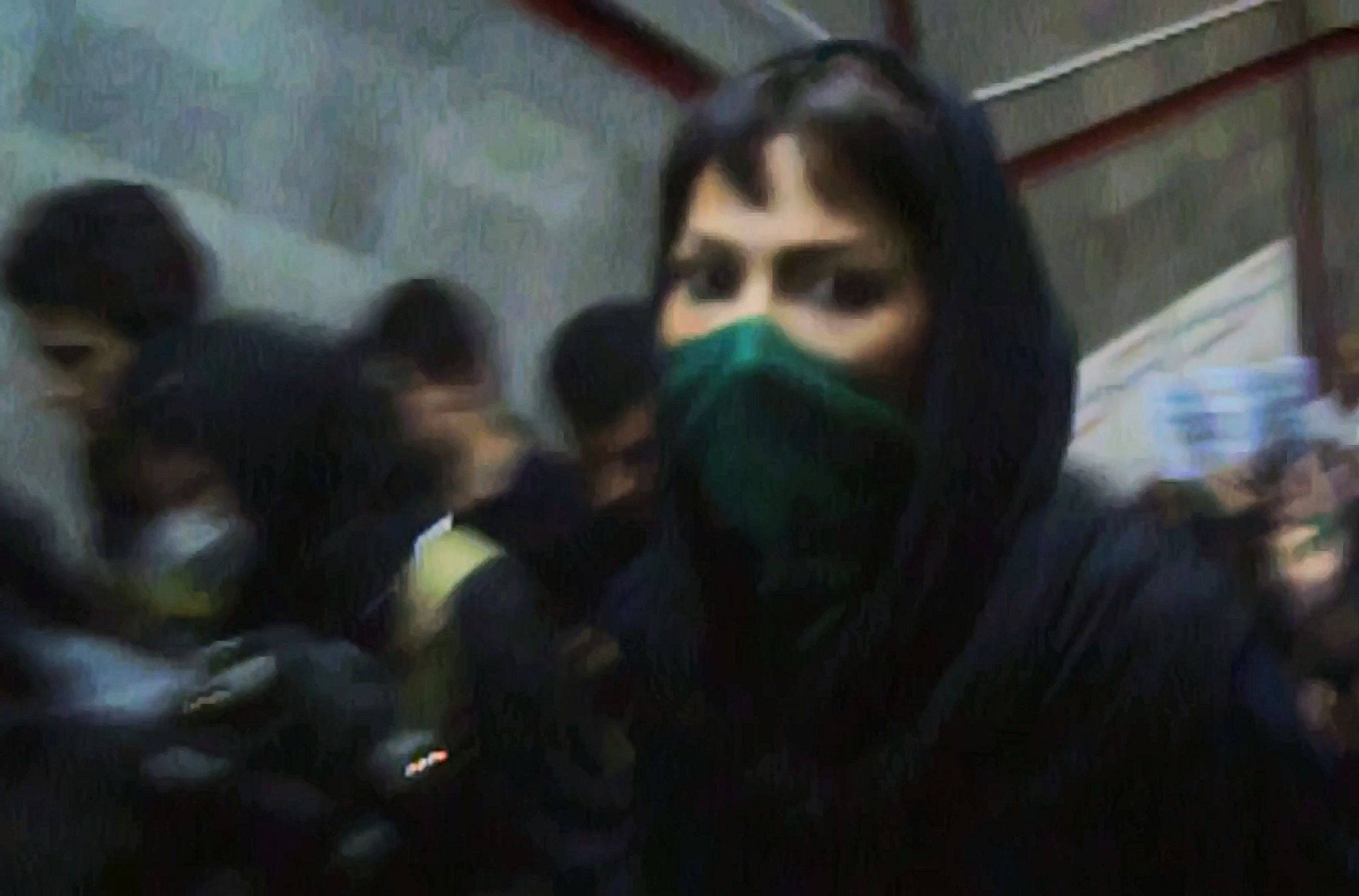
Realitas arsip tersebut kemudian diperjelas dengan munculnya rekaman Neda Agha-Soltan, mahasiswi filsafat berusia 26 tahun yang tertembak di dada saat mengikuti protes. Rekaman kematiannya tersebar luas di internet. Di akhir film, sutradara memilih Neda, sebagai fiksi dirinya. Ia berkata-kata, seperti arwah yang sedang menyaksikan kematiannya sendiri.
Kualitas video beresolusi rendah membuat gambar Neda seperti menatap langsung ke arah penonton. Matanya terbuka, dan rekaman itu berhenti sejenak sebelum layar benar-benar hitam. Sehingga ingatan terakhir kita tentang film ini adalah sebuah tatapan langsung dari tubuh di dalam layar, lapisan terakhir dari batas ilusi sinematik yang sengaja disusun sutradara untuk mengintervensi realitas di luar layar.
Mata Ikan
Dua puluh tahun kemudian, sutradara And The Fish Fly Above Our Head kembali ke Corniche, tepi pantai di Beirut yang menghadap Laut Mediterania. Di sana, ia kembali bertemu Reda, berbaring menghadap laut, persis seperti ketika ia merekamnya puluhan tahun lalu. Yang berubah hanyalah tubuh Reda yang kini menua. Lewat montase gambar yang di-dissolve, dua dekade melarut dalam persepsi sinematik. Masa lalu dan masa kini bercampur melalui gambar yang paralel di antara durasi.
Corniche, laut, dan lanskap di sekitarnya menjadi arsip waktu yang terus dinegosiasikan oleh tubuh-tubuh yang ada di sana. Jejak pertempuran masa lalu hingga perang hari ini tampak dalam gambar gedung-gedung beton yang dilubangi peluru, dan tampak pula secara imajinatif, lewat ingatan dan psikis warganya. Reda, misalnya, bisa menyebutkan peristiwa apa yang pernah terjadi di setiap lokasi yang ia lewati sepanjang jalan kaki dari rumahnya menuju pantai. Sementara Qassem, krisis ekonomi dan kecelakaan saat perang memaksanya tinggal serumah dengan saudara laki-laki dan iparnya. Karena aturan agama melarangnya tinggal berdua dengan yang bukan muhrim, setiap siang ia harus pergi ke laut, dan baru kembali saat petang. Padahal, ia mengaku lebih menyukai gunung.
“Throw your worries into the sea and forget it all”
Sepanjang film, laut menjadi situs untuk membicarakan waktu. Seperti tempat untuk beristirahat dari apa pun yang terjadi di darat. Sekalipun dalam keadaan terpaksa, seperti Qassem. Baginya, berada di sana mungkin bukan lagi soal pilihan, melainkan negosiasi terhadap ruang dan waktu. Sementara Reda, ia mengaku menjadikan laut sebagai tempat untuk melemparkan persoalan yang coba ia lupakan. Bahwa ia mengunjungi laut setiap hari selama puluhan tahun, sepertinya persoalan selalu kembali begitu ia bangun, dan harus dibuang lagi keesokan paginya.
Di penghujung film, kamera menyelam ke dalam laut, mengajak penonton turut beristirahat dari apa yang berlangsung di darat. Dengan masuk ke dalam air, sutradara menciptakan jarak sementara darinya. Tapi tak lama setelah itu, ledakan besar terjadi di atas permukaan. Ledakan itu tidak ditampilkan dan tidak terdengar; kita hanya mengetahuinya dari keterangan naratif. Pilihan penyutradaraan ini memosisikan laut bukan sebagai ruang yang steril dari persoalan, melainkan ruang yang hanya memberikan jeda.
Sebelum film berakhir, sutradara membalikkan kamera. Laut berada di atas, daratan di bawah. Pembalikan orientasi ruang ini menggeser relasi antara keduanya yang selama ini dibangun sepanjang film. Namun pembalikan ini tidak serta-merta menawarkan pembebasan. Ia justru mempertegas bahwa laut, sekalipun kini berada di posisi atas, tetap tidak bisa melepaskan diri dari apa yang terjadi di darat, ia hanya menawarkan sudut pandang lain untuk melihatnya. Sutradara memperkuat posisi ini melalui motif visual ikan-ikan yang digambarkan melayang di atas langit, seolah berenang di udara. Seperti pembalikan kamera yang menukar posisi laut dan darat, motif ini menjadi komentar atas kondisi eksistensial subjek film: tubuh-tubuh yang hidup di antara dua ranah yang tak bisa ditempati sepenuhnya.
Secara naratif, gambar ikan melayang di langit menemukan titik simpulnya dalam percakapan Reda di pantai tentang kematian adiknya yang ditembak di kepala saat perang. Matanya tidak mau tertutup, katanya, seperti dikutuk menjadi ikan. Di sini film kembali pada motif yang diajukan di awal esai: tentang mata yang tak tertutup sebagai tanda kematian yang tak selesai secara ritual dan simbolik. Ingatan itu ia bawa setiap hari dari rumah menuju pantai. Dan di sinilah hubungan antara elemen visual dan naratif menjadi jelas: ikan yang tidak memiliki kelopak mata, yang matanya terus terbuka dalam hidup maupun mati, menjadi analogi biologis bagi kondisi psikis para penyintas. Kematian adiknya tidak berakhir pada peristiwa tembakan itu; ia berlanjut dalam tatapan yang terus terbuka, dalam ingatan yang tak bisa dipejamkan.
* * *
Kembali pada Fanon, ia berpendapat bahwa kekerasan kolonial tidak berakhir ketika penjajahan usai; ia meresap ke dalam tubuh dan psikis, dan diwariskan lintas generasi. Kedua film ini mengartikulasikan persoalan tersebut melalui pendekatan sinematik yang berbeda. As I Lay Dying bekerja melalui arsip video amatir yang direproduksi dan diintervensi, memperlihatkan bahwa ingatan politik tidak pernah tetap; ia terus berubah dalam sirkulasi gambar. Sementara And The Fish Fly Above Our Head menyelami lanskap dan tubuh-tubuh yang ada dalam situasi tak pernah selesai: Reda yang setiap hari kembali ke laut, Qassem yang terpaksa berada di ruang yang tidak ia pilih, dan adik Reda yang matanya tak tertutup seperti ikan. Kedua film menunjukkan bahwa warisan kekerasan bukanlah sesuatu yang diingat atau dilupakan secara sukarela; ia adalah kondisi yang dihuni setiap hari, dalam rutinitas, dalam tubuh, dalam ruang-ruang yang terus dinegosiasikan.
“As if I had died with my eyes wide open…They forgot to close my eyes.” ” …and like a fish, his eyes condemned to remain open…”
There is a small, nearly universal ritual when someone dies: someone still living will reach out and close their eyes. This gesture is so simple that I rarely questioned its meaning. Closing the eyes of the deceased turns out to have a physiological reason. The muscles around the eyes relax after death, causing the eyelids to tend to open on their own, and closing them is part of preparing the body before rigor mortis sets in.
But what if death comes so suddenly, so brutally, that there is no time, or no one, to perform that gesture?
In As I Lay Dying, the film closes with the image of a woman’s corpse lying with her gaze fixed, facing us, the living.
Meanwhile, in And The Fish Fly Above Our Head, Reda, one of its subjects, tells the story of his brother who was shot in the head during the war. His eyes would not close, he says, as if cursed to become a fish.
These two motifs bring forth a death that remains unfinished both ritually and symbolically. And something unfinished does not stop with the dead; it is passed on to the living. Carried forward through memory, habit, and archives that are continually replayed.
Frantz Fanon, in The Wretched of the Earth (1963), writes that colonial violence does not cease with the formal end of colonization; it clings to the body and the psyche, and is transmitted across generations. The two films in this curation each offer different approaches to articulating this issue. As I Lay Dying works through archival footage of Green Movement demonstrations recorded by citizens, reassembled into a personal political experience. Meanwhile, And The Fish Fly Above Our Head immerses itself in the landscape and psyche of bodies existing in a situation that is never quite resolved.
The Gaze Passed on to the Outside of the Screen
In recent years, before the restriction of social media algorithms, images of demonstrations, war, and genocide dominated the flow of content on handheld screens. These images were repeatedly reproduced and intervened upon, even potentially diverted from their original meaning.
That thought first emerged when I confronted the film’s aesthetic choices. For As I Lay Dying simultaneously demonstrates that archival reality is subjective; it changes once reproduced and intervened upon.
The film uses a collection of amateur videos from the internet, selected from the 2009 protests in Iran. The director constructs a biographical fiction atop bodies that previously existed only as background in amateur recordings, layering stories and memories onto people he knew, those who were directly involved in the upheaval of the Green Movement, took to the streets, faced state repression, survived, and returned to their daily lives.
For nearly fifteen minutes, the boundary and cinematic illusion between us and the bodies on screen grow increasingly thin. Because what we witness is not merely footage of people who directly experienced the event, but also the experience of their bodily gestures, extended through rapid camera movements, swaying, and occasional close-ups that follow the control of the hand holding it.
The reality of the archive is then made explicit with the appearance of footage of Neda Agha-Soltan, a 26-year-old philosophy student shot in the chest during the protests. Footage of her death spread widely across the internet. At the end of the film, the director chooses Neda as a fictional version of herself. She speaks, like a spirit witnessing her own death.
The low-resolution video quality makes Neda’s image appear to gaze directly at the audience. Her eyes are open, and the recording pauses momentarily before the screen goes completely black. Thus, our last memory of this film is a direct gaze from a body within the screen, the final layer of the cinematic illusion deliberately constructed by the director to intervene in the reality outside the screen.
The Eye of the Fish
Twenty years later, the director of And The Fish Fly Above Our Head returns to Corniche, the Beirut waterfront facing the Mediterranean Sea. There, he meets Reda again, lying facing the sea, just as when he filmed him decades ago. The only thing that has changed is Reda’s now-aged body. Through dissolve montages, two decades dissolve within cinematic perception. Past and present blend through parallel images across duration.
Corniche, the sea, and the surrounding landscape become an archive of time continually negotiated by the bodies that inhabit it. Traces of past battles to today’s wars are visible in images of concrete buildings punctured by bullets, and also visible imaginatively, through the memory and psyche of its citizens. Reda, for instance, can name what event occurred at every location he passes along his walk from home to the shore. Qassem, meanwhile, is forced by economic crisis and a wartime accident to live with his brother and sister-in-law. Because religious rules prohibit him from staying alone with a woman who is not a mahram, he must go to the sea every afternoon and only return at dusk, even though he admits he prefers the mountains.
“Throw your worries into the sea and forget it all”
Throughout the film, the sea becomes a site to discuss time. A place to rest from whatever happens on land. Even if out of necessity, as with Qassem. For him, being there may no longer be a matter of choice, but a negotiation of space and time. As for Reda, he admits he uses the sea as a place to throw away the problems he tries to forget. That he visits the sea every day for decades suggests the problems always return as soon as he wakes, and must be thrown away again the next morning.
Toward the end of the film, the camera dives into the sea, inviting the audience to rest from what is unfolding on land. By entering the water, the director creates temporary distance from it. But shortly after, a massive explosion occurs above the surface. The explosion is neither shown nor heard; we only learn of it through narrative exposition. This directorial choice positions the sea not as a space sterilized from the issues at hand, but as a space that only provides a pause.
Just before the film ends, the director flips the camera. The sea is above, the land below. This reversal of spatial orientation shifts the relationship between the two that had been built throughout the film. But this reversal does not readily offer liberation. It instead affirms that the sea, even when positioned above, cannot detach itself from what happens on land; it only offers another perspective from which to see it. The director reinforces this position through the visual motif of fish depicted floating across the sky, as if swimming in the air. Like the camera reversal that swaps the positions of sea and land, this motif serves as a commentary on the existential condition of the film’s subjects: bodies living between two realms that cannot be fully inhabited. Narratively, the image of fish floating in the sky finds its point of convergence in Reda’s conversation on the shore about his brother’s death, shot in the head during the war. His eyes would not close, he says, as if cursed to become a fish. Here the film returns to the motif introduced at the beginning of this essay: the unclosed eye as a sign of death unfinished both ritually and symbolically. This memory is carried with him every day from home to the shore. And here the relationship between visual and narrative elements becomes clear: the fish, which has no eyelids, whose eyes remain open in both life and death, becomes a biological analogy for the psychological condition of survivors. His brother’s death does not end with the shooting; it continues in the gaze that remains open, in a memory that cannot be closed.
* * *
Returning to Fanon, he argues that colonial violence does not end when colonization formally ends; it seeps into the body and psyche, and is passed down across generations. These two films articulate this issue through different cinematic approaches. As I Lay Dying works through amateur video archives that are reproduced and intervened upon, showing that political memory is never fixed; it continually shifts in the circulation of images. Meanwhile, And The Fish Fly Above Our Head immerses itself in the landscape and bodies existing in a situation never quite resolved: Reda, who returns to the sea every day; Qassem, who is forced to inhabit a space he did not choose; and Reda’s brother, whose eyes would not close like a fish. Both films show that the legacy of violence is not something voluntarily remembered or forgotten; it is a condition inhabited every day, in routines, in bodies, in spaces that are continually negotiated.
Films


Curator’s biography
Taufiqurrahman “Kifu” adalah seniman, pembuat film, dan desainer grafis yang berbasis di Palu. Ia merupakan lulusan Ilmu Komunikasi Universitas Tadulako. Praktik artistiknya banyak bersinggungan dengan reproduksi arsip dan media. Karya filmnya telah dipresentasikan di berbagai forum dan festival internasional, antara lain Internationale Kurzfilmtage Oberhausen, European Media Art Festival, dan Visual Documentary Project. Ia pernah menjadi juri Festival Film Dokumenter (FFD) Yogyakarta dan saat ini aktif di Video Art Forum Jakarta.
Taufiqurrahman “Kifu” is an artist, filmmaker, and graphic designer based in Palu. He is a graduate of Communication Science from Tadulako University. His artistic practice frequently engages with archival reproduction and media. His film works have been presented at various international forums and festivals, including the Internationale Kurzfilmtage Oberhausen, the European Media Art Festival, and the Visual Documentary Project. He has served as a jury member for the Yogyakarta Documentary Film Festival (FFD) and is currently active in the Video Art Forum Jakarta.